


Parenting Guide: ParentRise
4.25.00 Reviews
App Specs
- Version
- 2.3.4
- Updated On
- License
- Free
- Downloads
- 10,000+
- Developer
- CRX Applications
- Categories
- Parenting
- Platform
- Android
Screenshots

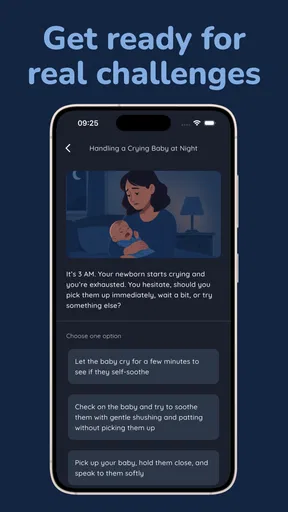
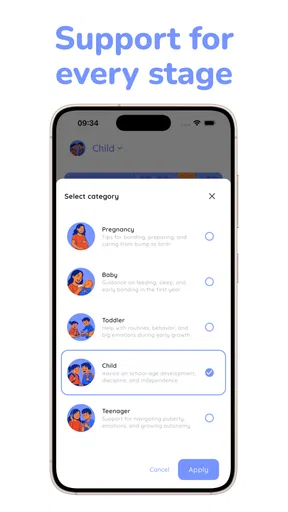
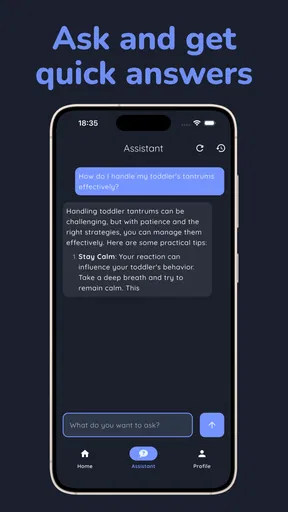
 Analysis by AppCompare
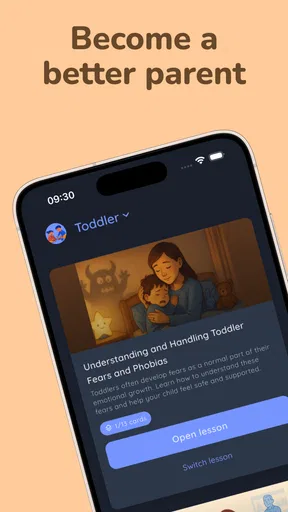
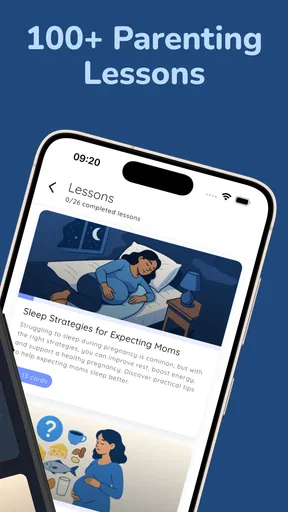
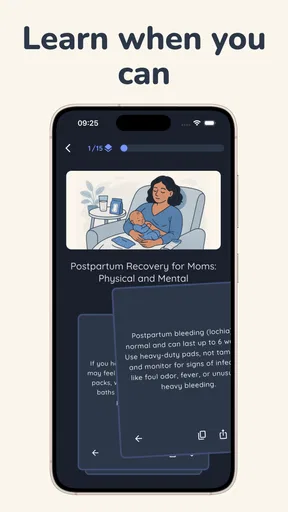
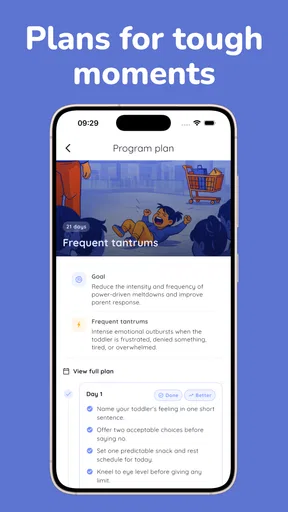
Parenting advice is easiest to appreciate when it arrives at the moment you need it: during pregnancy, after a difficult bedtime, or when a child suddenly enters a stage you did not expect. That is the space Parenting Guide: ParentRise tries to occupy. Developed by CRX Applications, this free parenting app brings lessons and practical tips together for families moving from pregnancy through the teenage years.
I found its main appeal in the broad age range. Instead of treating parenting as one fixed subject, ParentRise is designed around changing stages, so the usefulness of a lesson depends heavily on where your family is right now. A pregnancy-focused reader, a parent of a preschooler, and someone raising a teenager are likely to approach the same app very differently. That makes choosing the right material more important than simply opening it and scrolling.
What ParentRise feels like in everyday use
The app is best understood as a guided source of parenting education rather than a replacement for a pediatrician, therapist, school counselor, or emergency service. I would turn to it for ideas, explanations, and reminders that help me think through ordinary family situations. I would not use it to diagnose a child or make a high-stakes health decision.
Its store summary promises tips and lessons for mothers across all child stages, but the wider idea is useful for any parent who wants a structured place to learn. The broad scope is convenient, although it can also make the first session feel less focused. A parent looking for help with one immediate problem may need to spend time identifying which stage or topic is most relevant before the content becomes useful.
ParentRise is rated for Everyone, runs on Android versions from 7.0 onward, and is currently at version 2.3.4. Those details make it approachable for families using older compatible devices, but the practical experience still depends on the phone, operating system condition, available storage, and how smoothly the app opens on that particular device.
The app has a 4.2 average from around 200 ratings, with more than 10 thousand installs. I would read that as a sign of real interest rather than proof that every family will find the same value. Parenting tools are unusually personal: advice that feels perfectly timed for a new parent may feel too basic to someone with older children.
Where people are most likely to get stuck
The first point of friction is not necessarily a technical error. It is choosing a useful starting point. Because ParentRise covers pregnancy, childhood, and the teenage years, opening it without a clear purpose can turn into aimless browsing. I recommend deciding whether you want stage-based learning, help with a current parenting challenge, or a general refresher before you begin.
Worth Reading Before You Choose

EA SPORTS FC Mobile 26 Is a Bigger Football Game, but It Takes Time

Flipboard Shows What News Apps Must Do Beyond the Feed

Switching to Android Auto Means Rethinking Your Driving Routine

Google Calendar Makes a Crowded Week Easier to Manage

Ludo King Makes the Most of the Minutes Between Plans

Baby Panda World Brings Quick Play to Modern Phones, but Its Game Library Feels Busy
A second common problem is expecting the app to behave like a messaging service or a personalized consultation. Its role is educational. If you open it looking for an immediate, individually tailored answer, the experience may feel less direct than speaking with a qualified professional. I found it more helpful when I treated each lesson as a starting point for reflection rather than a complete solution.
There is also a difference between reading advice and applying it. Parenting guidance often sounds clear until it meets a tired child, a rushed morning, or two siblings with completely different needs. I suggest saving a small number of ideas mentally or in your own notes and trying one change at a time. That makes it easier to tell whether an approach fits your household instead of mixing several suggestions together.
Another point worth keeping in mind is the app’s audience. The store description emphasizes mothers, so some users may feel the framing is more mother-centered than they prefer. Partners, fathers, grandparents, and other caregivers can still find the material relevant, but families who want strongly inclusive language or specialized support may prefer to pair it with another resource.
Setup checks that prevent avoidable frustration
Because ParentRise is free to install but includes optional purchases priced from $4.99 to $39.99 per item, I would check the purchase screen carefully before committing to anything. Free access does not automatically mean every lesson or pathway is unrestricted. Read the wording around any locked material and confirm what you are selecting before approving a purchase, especially if a child also uses the device.
I would also verify that the phone is running a compatible Android version. The minimum listed requirement is Android 7.0, but compatibility alone does not guarantee a perfect experience on an older handset. Restarting the device, closing unused apps, and making sure there is reasonable free storage are sensible first steps if installation or opening feels slow.
For a smoother first session, I recommend setting aside a few quiet minutes rather than installing it in the middle of a bedtime crisis. Use that first visit to identify the child stage that matches your family and notice how the lessons are organized. This small preparation avoids the most common mistake: judging the app before finding the material intended for your situation.
If the app asks you to make a choice about a stage, topic, or learning path, choose the option that reflects your current need, not only your child’s age. A parent of a toddler may be dealing with sleep, behavior, communication, or routines, and those concerns do not always line up neatly with a single age label. Starting from the problem can be more efficient than browsing every available stage.
For families sharing one device, I would keep expectations clear. A broad parenting app can be useful to several caregivers, but everyone may interpret advice differently. Agreeing on one small experiment, such as changing the timing of a routine or using a calmer response, is more practical than asking the app to settle a disagreement between adults.
Recovering when a lesson or session does not go well
When content does not load or the app behaves unexpectedly, I would begin with ordinary checks rather than assuming the account or device is damaged. Close and reopen ParentRise, confirm that the internet connection is working if the screen depends on online content, and restart the phone if the problem continues. These steps are basic, but they solve many temporary app issues without creating a bigger one.
If a purchase screen appears again after you have already paid, avoid buying a second time immediately. First check whether the app offers a restore option or whether reopening the same account and connection brings the material back. If the content still does not appear, keep the transaction details and contact the appropriate app-store support channel. That is safer than repeatedly tapping a purchase button.
When a lesson feels irrelevant, the best recovery is often to change the route rather than abandon the app. Return to the stage or topic selection and choose a more specific concern. For example, a general lesson about child development may not help much during a difficult morning, while advice connected to routines or communication may give you a more usable next step.
I also recommend not treating a single unsuccessful suggestion as a verdict on the whole app. Parenting advice has a short feedback loop: a strategy may fail because the timing was wrong, the child was overtired, or the adults applied different expectations. Try the idea in a calmer situation, adjust one detail, and then decide whether the guidance is useful. At the same time, do not keep repeating an approach that increases distress simply because it appeared in a lesson.
A practical workflow is to read one lesson, identify its central idea, and translate it into a small action for the next day. Afterward, note what happened in plain language. Did the child respond differently? Was the suggestion realistic with your schedule? Did it require cooperation from another caregiver? This turns ParentRise from passive reading into a modest learning routine and helps separate useful guidance from advice that does not fit your household.
When the app is not the cause
Some parenting problems cannot be solved by better information. A child who is ill, unsafe, persistently distressed, or showing a serious change in behavior needs appropriate professional attention. ParentRise can help you prepare questions or understand general parenting concepts, but it should not delay medical care, mental-health support, or urgent help.
The same caution applies to developmental concerns. A general lesson may reassure you, but reassurance from an app is not an assessment. If something worries you repeatedly, write down what you are observing and discuss it with a qualified professional. The app is more valuable as a companion to that conversation than as the final authority.
Technical trouble can also come from outside ParentRise. A weak connection, an outdated device, restricted background activity, full storage, or an operating-system issue can make many apps behave poorly. If other apps are also freezing or failing to load, troubleshooting the phone is more sensible than repeatedly reinstalling this one.
There is a human limitation too: no app can account for every family’s culture, finances, household structure, or child temperament. If a suggestion assumes resources, time, or privacy that you do not have, adapt it or skip it. Good parenting advice should fit real life. ParentRise is not the right choice for someone seeking highly individualized support, a formal course with professional interaction, or a specialized tool for a single medical or educational need.
How it compares with familiar parenting resources
Compared with searching the web, ParentRise offers a more contained experience. General searches can produce useful answers quickly, but they also mix reliable guidance with contradictory opinions and content written for very different audiences. A stage-based parenting app is easier to return to when you want a calmer learning path instead of ten open browser tabs.
Compared with parenting books, the app is more convenient for short sessions. A book can provide deeper context and a coherent argument, while an app is better suited to reading a small lesson when you have a few spare minutes. I would choose a book or a professional course when I wanted a thorough treatment of one subject, and ParentRise when I wanted accessible guidance across changing stages.
Compared with a parenting forum or social network, ParentRise is likely to feel less conversational. Forums can provide empathy and lived experience, but they can also encourage comparison and confident advice from people whose circumstances are completely different. ParentRise’s educational format is preferable when I want to think quietly, although it cannot replace the emotional support of a trusted community.
The optional purchase range also affects that comparison. The free starting point lowers the barrier to trying it, but users should decide whether paid material adds enough value for their needs. If you only want occasional general tips, spending nothing may be reasonable. If you are searching for a comprehensive, specialized program, compare the cost and depth with books, classes, or professional services before paying.
Who will get the most from ParentRise
I think the app is a good fit for new parents who want a broad orientation, caregivers moving into a new stage, and busy adults who prefer short educational sessions to long reading. It can also help someone prepare for a conversation with a pediatrician or another professional by giving them vocabulary and questions to consider.
It is particularly useful when the problem is uncertainty rather than crisis. If you are wondering how to approach a new routine, how to think about a developmental transition, or what kind of response might be more constructive, a lesson can give you a place to begin. The value comes from combining that starting point with observation and flexibility.
I would be more cautious about recommending it to someone who wants a precise daily schedule, live coaching, a detailed tracker, or advice tailored to a diagnosed condition. Those needs call for tools and people with a narrower purpose. ParentRise’s strength is its wide parenting journey, and that breadth is also why it may feel less deep in one specialized area.
One realistic use case is a caregiver who has ten minutes after the children are asleep. Instead of searching randomly, they open the app, select the relevant stage, read one lesson, and choose one idea to test during the next day’s routine. Later, they decide whether the suggestion reduced conflict or simply added work. That is a modest workflow, but it matches what a busy parent can actually sustain.
The most useful non-obvious habit is to use the app before a predictable transition, not only after a difficult event. Reading about a new stage before it becomes overwhelming gives you time to discuss expectations with another caregiver and prepare a small response. A second is to compare advice with your family’s available time and energy before trying it. A strategy that requires perfect consistency may be less useful than a simpler one you can repeat.
A third is to treat paid content as a decision, not an automatic upgrade. Start with the material that addresses your immediate concern, judge whether the writing and approach suit you, and only then consider spending money. This prevents the broad catalog from turning into an expensive collection of lessons you never use.
My practical verdict
ParentRise is a sensible free starting point for parents who want organized guidance spanning pregnancy to the teenage years. I like its broad perspective and the possibility of using it in small, manageable sessions. The 4.2 average and growing install base suggest that it has found an audience, but the app still needs to earn its place in your routine by matching your current stage and concerns.
Its main weakness is the same feature that makes it attractive: wide coverage can feel less personal and less focused. You may need to choose carefully, filter advice through your own family circumstances, and accept that general lessons cannot answer serious or highly specific questions. Optional purchases also mean that “free” should be understood as a way to begin, not a promise that all material is included.
My recommendation is to try it if you want a calm, general parenting companion and are willing to apply advice thoughtfully rather than follow it mechanically. Set it up on a compatible device, begin with one relevant stage, test one practical idea, and use professional help whenever the situation calls for it. ParentRise works best as a starting point for better parenting decisions, not as a substitute for judgment or qualified care.
Pros
- Offers practical parenting tips for everyday challenges.
- Covers guidance for different child development stages.
- Simple interface makes advice easy to browse.
- Useful reminders can help parents build consistent routines.
- Provides quick ideas when you need immediate support.
Cons
- Some advice may feel too general for complex family situations.
- Content quality can vary depending on the topic or age group.
- May not replace guidance from pediatricians or child specialists.
- Frequent notifications could become distracting for some parents.
- Some features or resources may require an internet connection.
FAQs for Parenting Guide: ParentRise
What is Parenting Guide: ParentRise designed to help parents with?
Parenting Guide: ParentRise is designed to provide practical information and guidance for everyday parenting situations. It may help parents think through topics such as routines, communication, child development, discipline, emotional support, and family organization. The app is best viewed as an educational companion that offers ideas and suggestions, rather than a replacement for personalized advice from a pediatrician, psychologist, teacher, or other qualified professional.
Is Parenting Guide: ParentRise suitable for every child and age group?
The usefulness of Parenting Guide: ParentRise can depend on your child’s age, personality, developmental stage, and individual circumstances. Advice that works for a toddler may not be appropriate for a teenager, so parents should read recommendations carefully and adapt them to their family. Before downloading, check the app’s current description and available categories to confirm that its content matches the age group and parenting topics you need.
Can ParentRise replace professional medical or psychological advice?
No. Parenting Guide: ParentRise should not be used to diagnose medical, developmental, behavioral, or mental-health conditions, and it cannot replace advice from a qualified healthcare professional. If your child has concerning symptoms, persistent behavioral changes, developmental difficulties, safety risks, or emotional distress, contact an appropriate professional directly. Use the app for general education and ideas, while treating urgent situations as matters requiring immediate real-world assistance.
Does Parenting Guide: ParentRise require an internet connection or personal information?
The exact requirements may vary according to the app version, device, and operating system. Some features or articles may require an internet connection, while other content could be available after loading or installation. Before creating an account, review the requested permissions, privacy policy, and data practices. Avoid entering sensitive information about your child unless you understand why it is collected, how it is protected, and whether it can be deleted.
Is Parenting Guide: ParentRise free to download and use?
The app’s download model, available features, advertisements, subscriptions, or optional purchases may change over time, so parents should verify the current store listing before installing it. A free download does not always mean that every guide or feature is free. Carefully review pricing details, trial periods, renewal terms, and cancellation instructions, especially if the app will be used by children or on a family-shared device.


